Free Shipping on orders over $150

Horseradish

Planting: Although it demands little care, planting horseradish in well drained, rich soil will

provide a better yield. Will do best in soil with pH of 6.2-6.7. Plant roots 10-12” apart with 3’

between rows. Place the root piece with the flat end up and the slanted end down at a 45 degree

angle in the soil. The flat end should be 1-2” below the soil. Keep the soil moist throughout the

establishment period. Horseradish needs little fertilization but a spring application of Triple 12

per 100 sq. ft. would be sufficient. Horseradish is an extremely vigorous plant that flourishes with

a small of amount attention.

Harvest: The most popular use of horseradish is as a condiment. Dig roots the second fall after

planting. If not harvested, the roots will need to be divided every two years.

Here’s an easy recipe to try:

Peel and dice horseradish roots. Place them in a grinder or blender with a small amount of water

and a few ice cubes. Cover tightly and grind until desired consistency. Vinegar or lemon juice

stops the process that gives horseradish it’s bite. Add 2-3 tablespoon of vinegar or lemon juice

and ½ teaspoon of salt per cup of horseradish sauce. Add immediately for a mild sauce; wait up

to three minutes for hot sauce. Store in a covered glass jar in the refrigerator or freezer.
See Other Posts

Seedless Triploid Watermelon Production

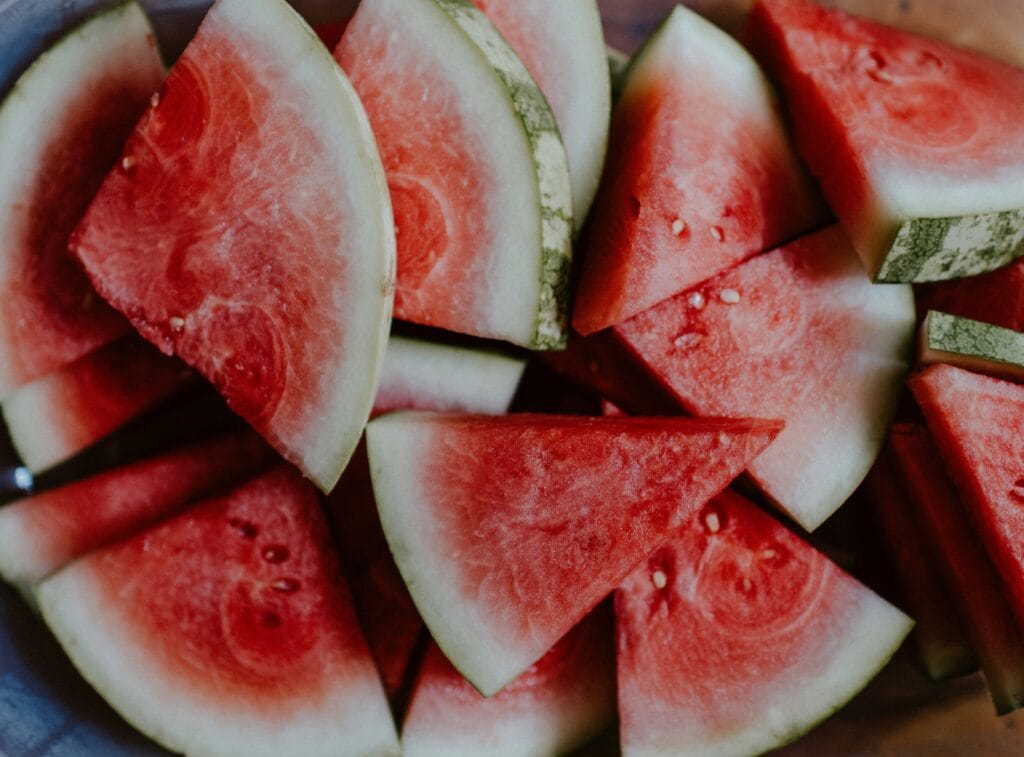
TRIPLOID WATERMELON (Citrullus lanatus var. lanatus) Hybrid triploid watermelons, commonly called seedless watermelons, are generally more difficult to grow than diploid varieties. They can be grown successfully, though, with some extra care and management. The seedless trait results from crossing a normal seeded diploid parent with a tetraploid parent. Although the fruit is considered seedless,…

Read More

Asparagus

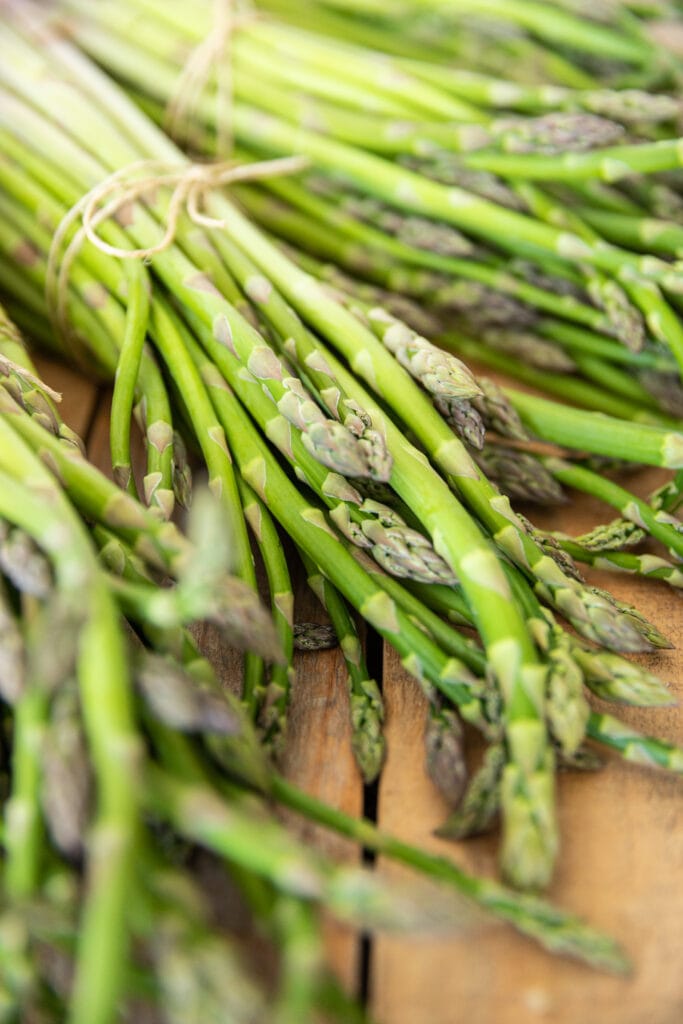
When To Plant: Plant in early spring, around the time the daffodils are in bloom. If plants arrive before weather conditions permit planting, keep them in a cool dry place. Soil: Asparagus likes dry feet, soil must drain well. Soil should be rich in organic matter, work in compost and fertilizer when preparing to plant.…

Read More

Spring Onions, Shallots & Garlic

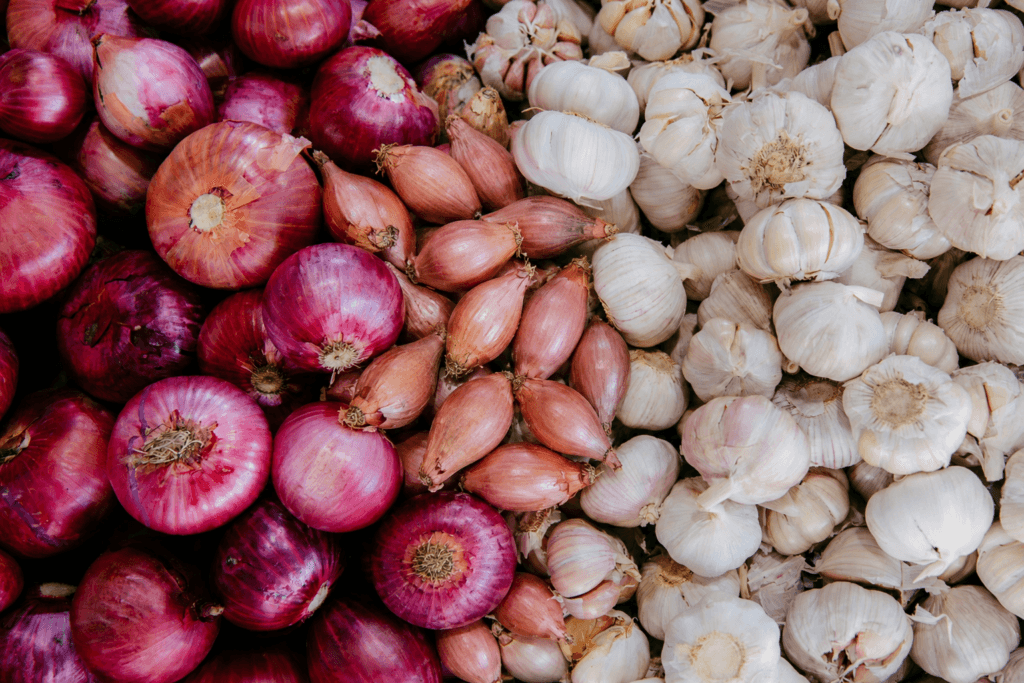
Onion Plants While the enclosed plants may appear dry, don’t be alarmed; they’re simply dormant. Don’t worry if you can’t plant them immediately, even if the roots and tips begin to dry out. The onions can live off the bulb for approximately three weeks. Keep them in a well-ventilated, cool area until you can plant…

Read More

Search our products...

Categories

Categories

Size

Size
  • 0.6 oz (1)
  • Blue Jay (1)
  • by the ft (3)
  • Chickadee (1)
  • Dwarf (14)
  • each (39)

Your Bag

We only offer non-GMO seeds because good food starts with good seed. You’re one step closer to planting something you can feel great about.

Secure
Checkout

Quality
Assured

Customer
Support